What is the MIL-STD-810 Standard?
MIL-STD-810 is the United States Department of Defense (DoD) standard for environmental testing of equipment to ensure its durability and reliability under various conditions. First introduced in 1967, the standard has undergone multiple revisions, making it a critical benchmark for military and commercial-grade rugged devices. Manufacturers of rugged tablets, including Estone Technology, adopt MIL-STD-810 to demonstrate the robust performance of their products in demanding environments.
MIL-STD-810G and MIL-STD-810H: The Key Differences
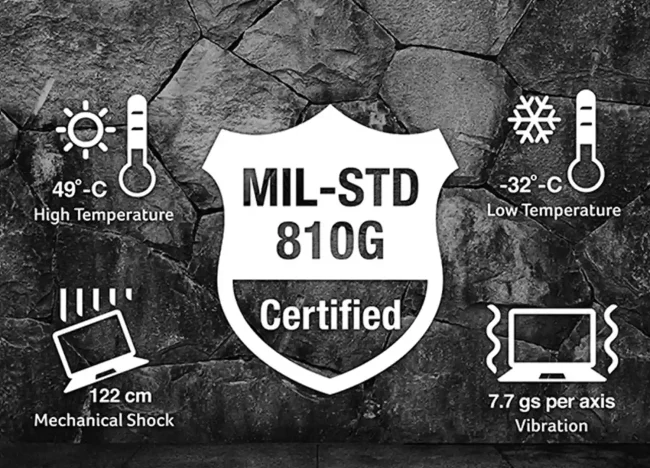
The most commonly referenced version is MIL-STD-810G, released in 2008, followed by MIL-STD-810H in 2019. MIL-STD-810H introduced updated testing procedures and stricter criteria for various environmental conditions.
Comprehensive Teting Methods
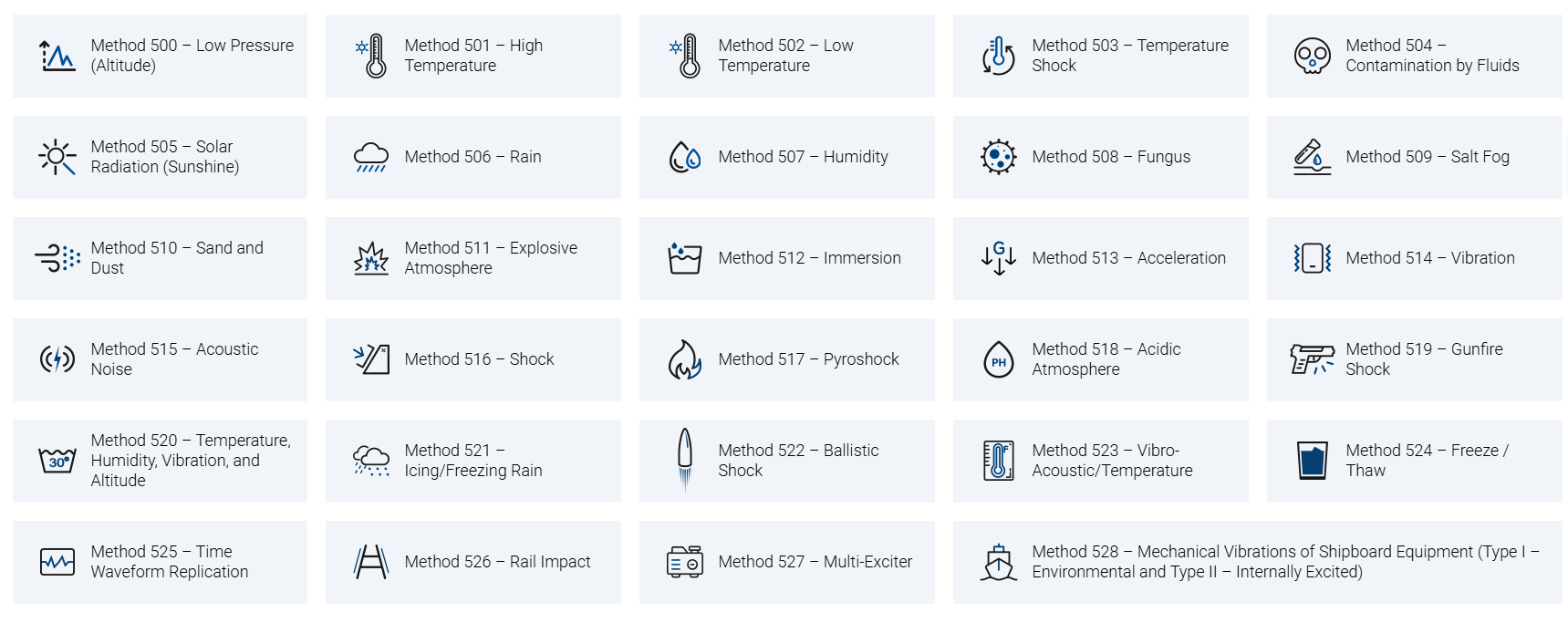
The MIL-STD-810 standard outlines 29 test methods to simulate different environmental challenges, ensuring devices perform reliably under extreme conditions. Below is a list of these methods:
Drop Test Standards Ensuring Ruggedness
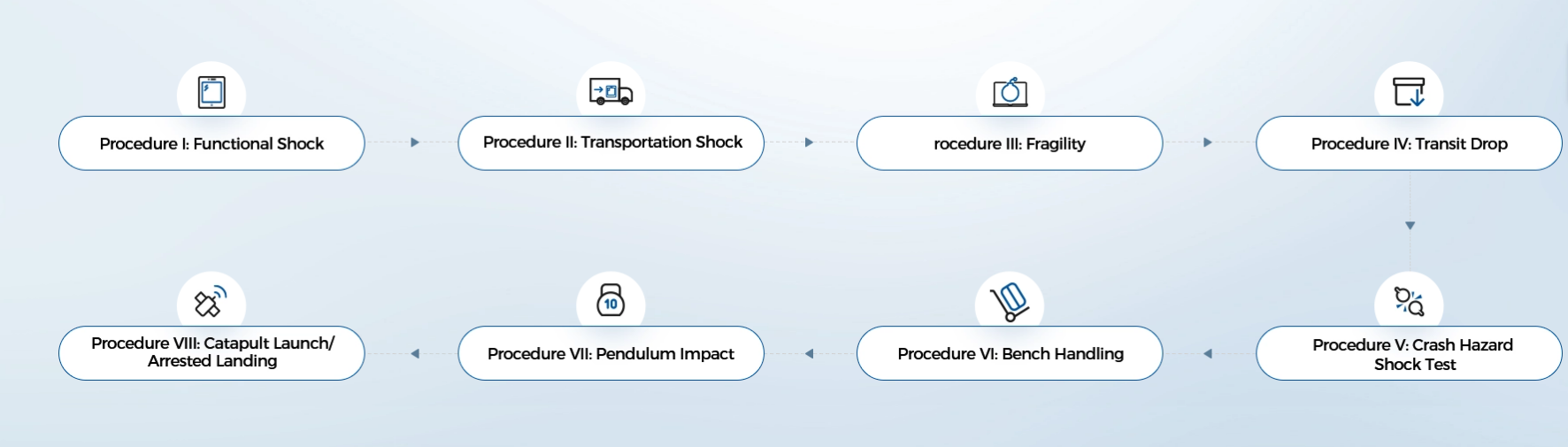
The drop test, a key component of MIL-STD-810, falls under Method 516. This is part of the shock test which has 7 different procedures:
MIL-STD-810G Drop Test (2008-2019)
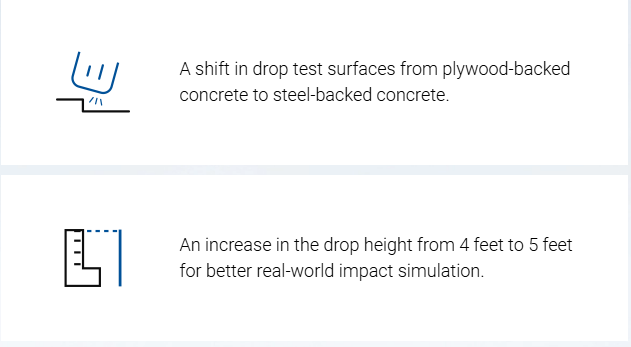
Procedure IV: Devices are dropped from 4 feet onto plywood-backed concrete.
Test Coverage:26 drops covering all faces, edges, and corners.
MIL-STD-810H Drop Test (2019 and Beyond)
Updated to a 5-foot drop onto steel-backed concrete for more rigorous evaluation.
While the drop test is one of the most widely recognized procedures, manufacturers like WTD often conduct additional tests, such as humidity (Method 507) and altitude (Method 500), to meet specific use-case requirements.
Rugged Tablet PC Platforms
The following is a list of WTD’s rugged military-grade tablet ODM platforms: