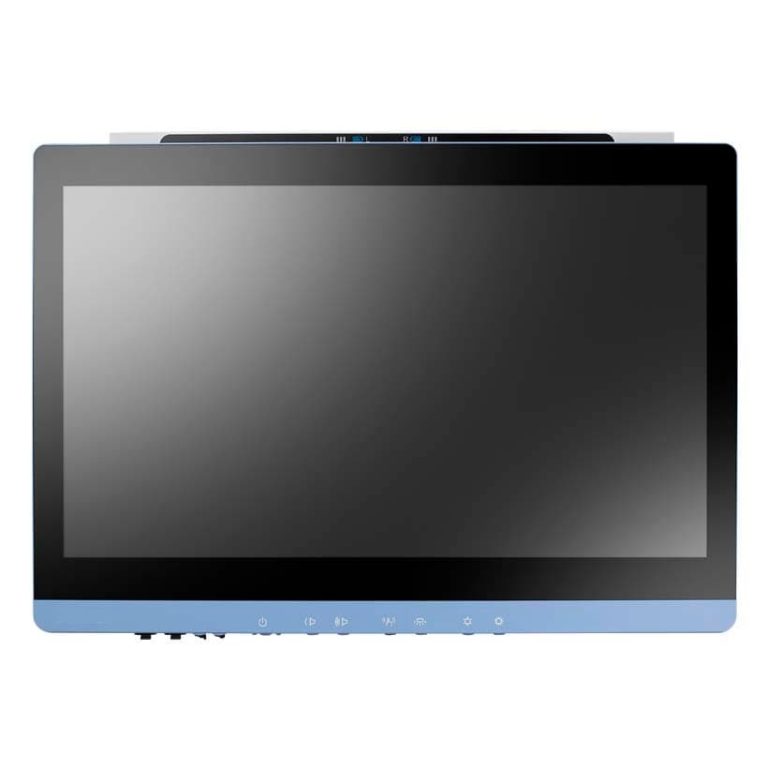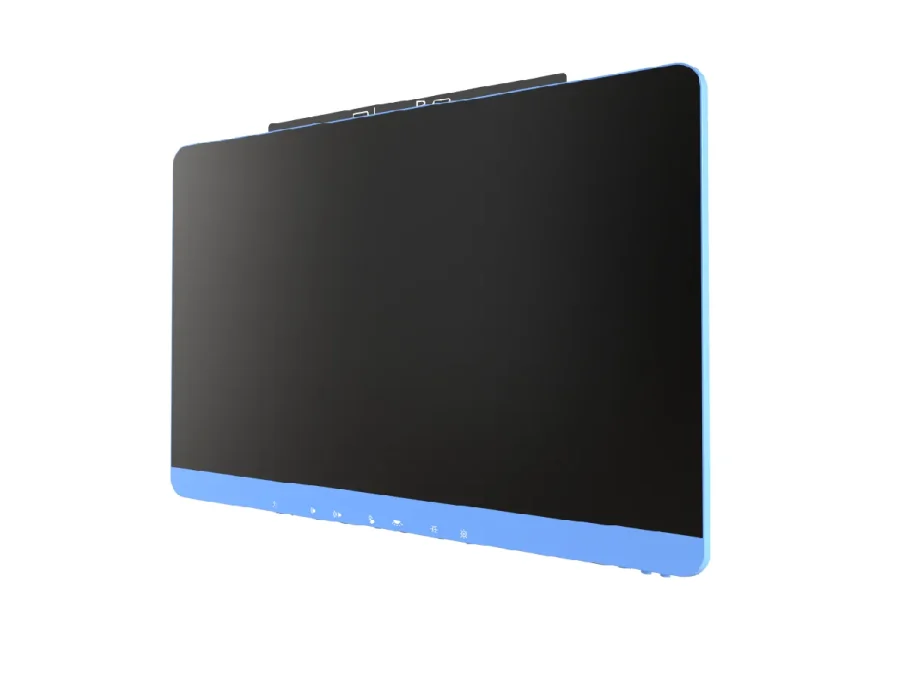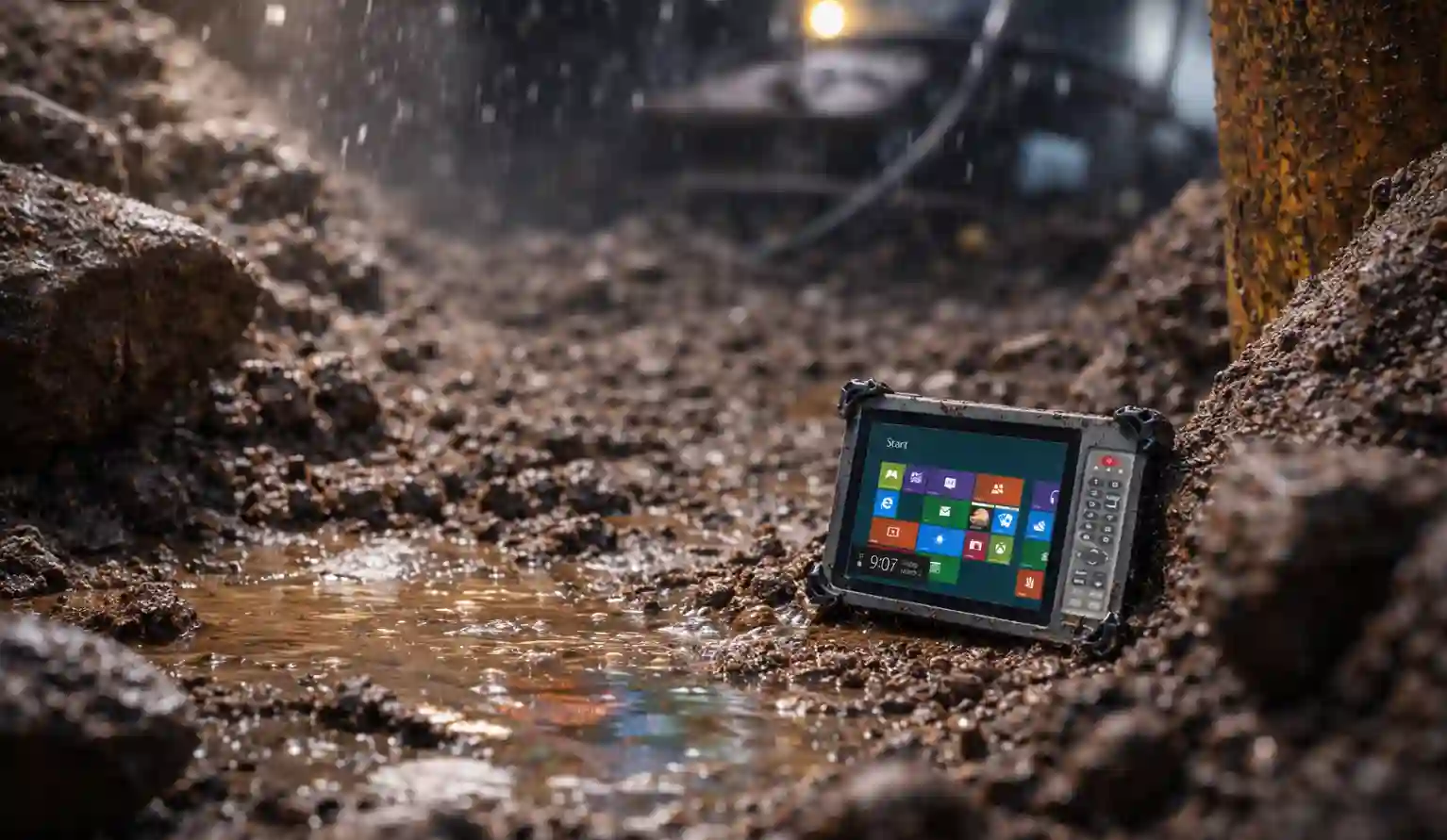
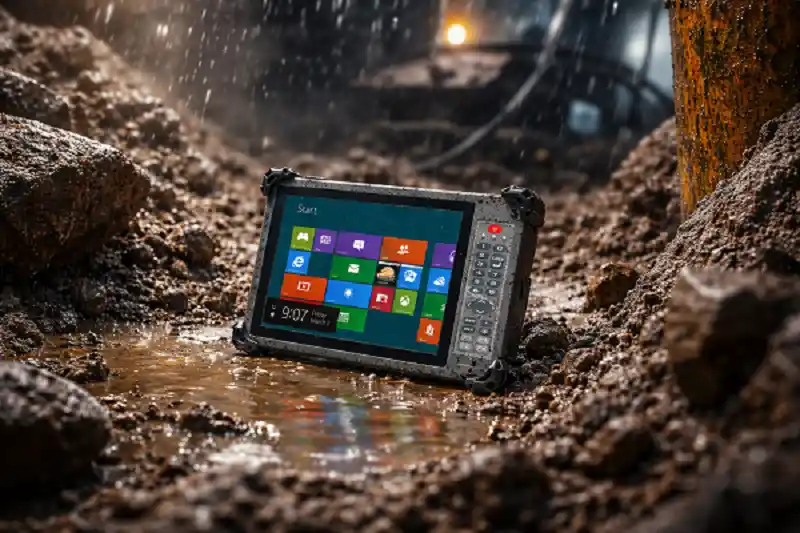
Here we listed some key specifications of a qualified rugged tablet. That is why we called it rugged tablet.
Key Considerations for Selecting a Rugged Tablet:
1. Environmental Protection (IP Rating):
Choose rugged tablets with a rating of IP65 (water jets/dust) or IP67/68 (immersion) for dusty, wet environments.
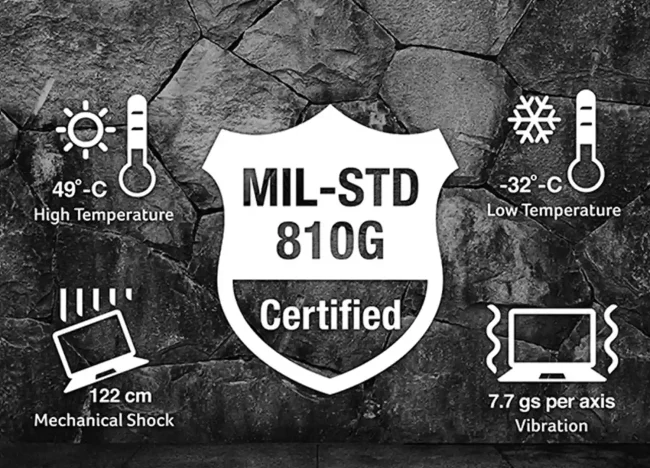
2. Rugged Standards (MIL-STD-810G/H):
MIL-STD-810G ensures the device survives drops, vibrations, and extreme temperatures (e.g., -20°C to 60°C).
3. Screen Visibility & Usability:
Look for high-brightness screens (700+ nits) for outdoor, direct sunlight, andcapacitive touchscreens that work with gloves or in rain.

4. Battery Life & Performance:
Prioritize hot-swappable batteries for 24/7 operations, and ensure the processor and RAM (min 4GB, ideally more) can handle specialized, high-demand apps.

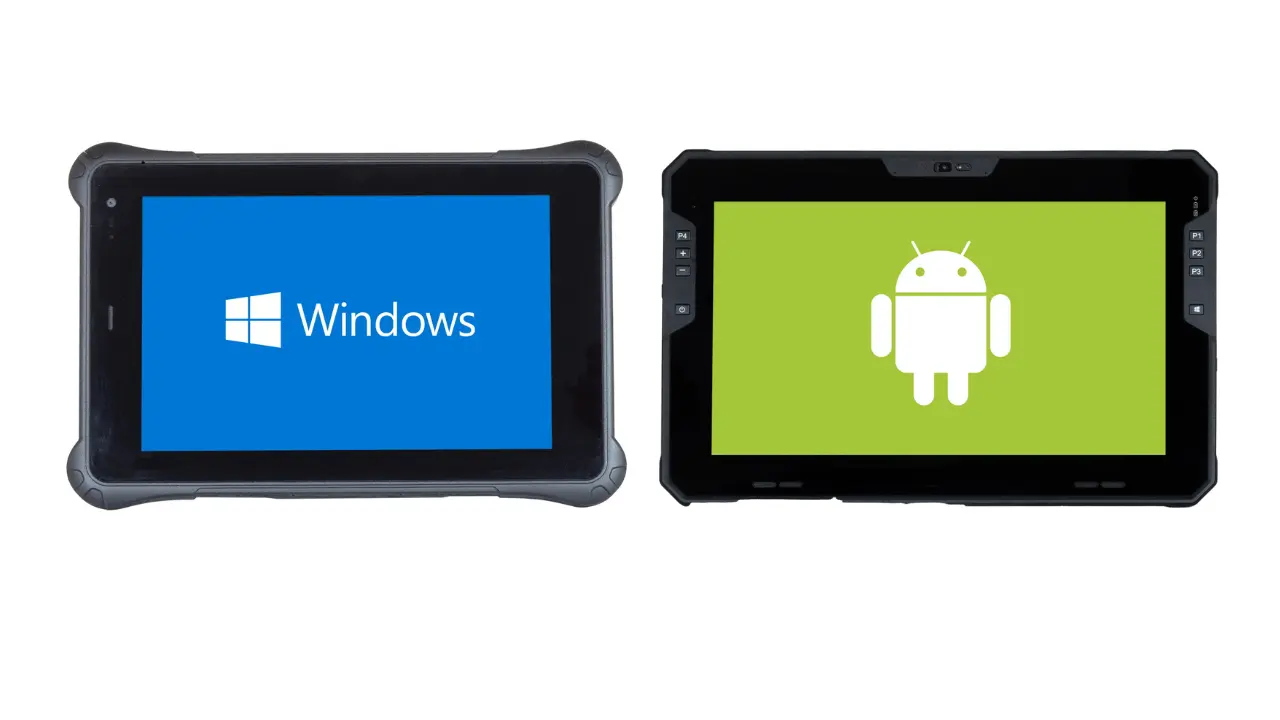
5. Operating System (OS):
Choose Windows for desktop-level application support, or Android for better battery efficiency and intuitive, app-based tasks.
6. Connectivity & Accessories:
Ensure CAC, 4G/5G, GPS, and Wi-Fi are included. Consider integrated barcode scanners, RFID readers, and vehicle docking stations for logistics or warehouse tasks.

7. Additional Requirement about Portability:
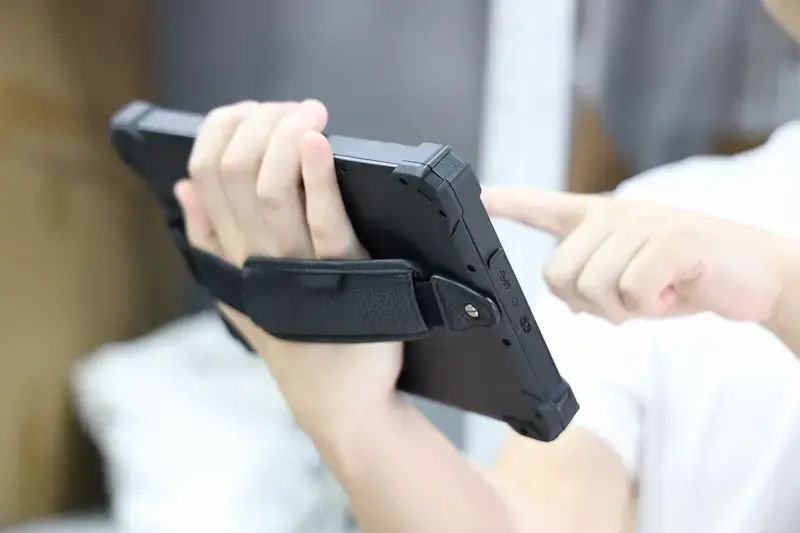
For field workers, opt for handheld rugged tablets under 2.5 pounds, usually with a 10-inch screen for a balance of durability and portability.
In summary, choosing a right rugged tablet requires prioritizing environmental durability (IP65-IP68 rating), military-grade shock resistance (MIL-STD-810G/H), and battery longevity for field use. Key factors include selecting Windows or Android based on software, ensuring sunlight-readable screens (high nits), choosing adequate RAM (at least 4GB) and storage (64GB+), and verifying screen usability with gloves or in rain. On the other hand, you can request the design of new customized rugged tablets from OEM/ODM services.