About the Medical Panel PC:
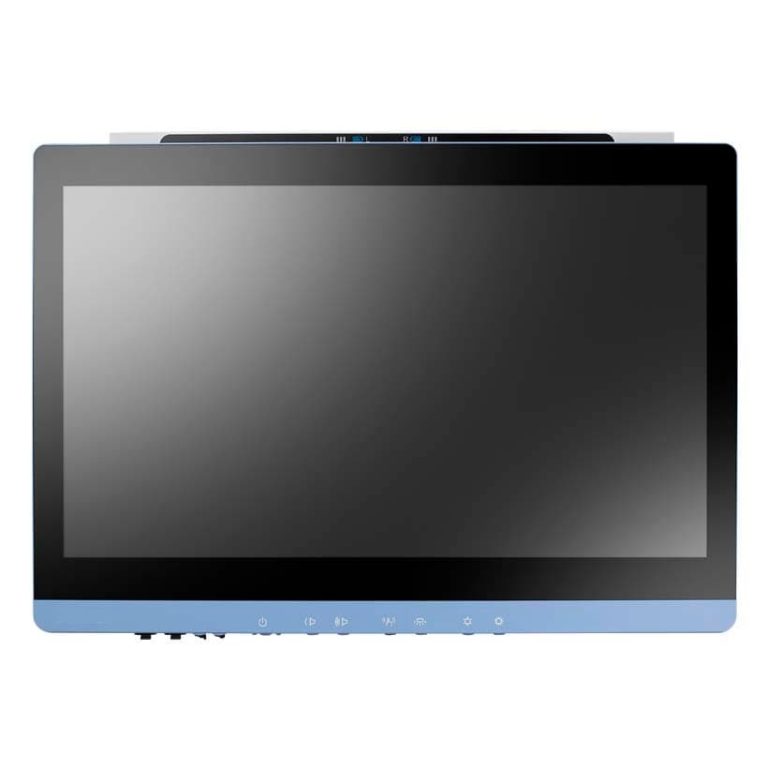
A medical panel PC is an all-in-one, specialized computing device built specifically for healthcare environments like hospitals, operating rooms, and clinics. It combines a high-resolution touchscreen with a powerful processor into a single sealed unit, designed to handle electronic medical records (EMR), patient monitoring, and medical imaging.
These devices are fundamentally different from standard consumer computers. Key features and benefits include:
Mounting & Integration: They are engineered for flexible deployment, commonly mounted on walls, articulated arms, or mobile medical carts, and often feature hot-swappable batteries.
Medical-Grade Certifications: They comply with strict regulatory standards (such as EN 60601-1) to ensure they are safe for use near patients and do not interfere with other medical equipment.
Hygienic & Antimicrobial: Housings are typically IP-rated (water and dust-proof) with seamless, antimicrobial surfaces that can withstand repeated sanitization with harsh hospital-grade disinfectants.
Fanless Design: To prevent the circulation of dust and airborne pathogens, most medical panel PCs use fanless cooling systems, keeping the environment sterile and operating silently.
Glove-Friendly Touchscreens: Screens support multi-touch capabilities even when operators are wearing medical gloves.
The differences between a medical panel PC and a medical-grade tablet PC:
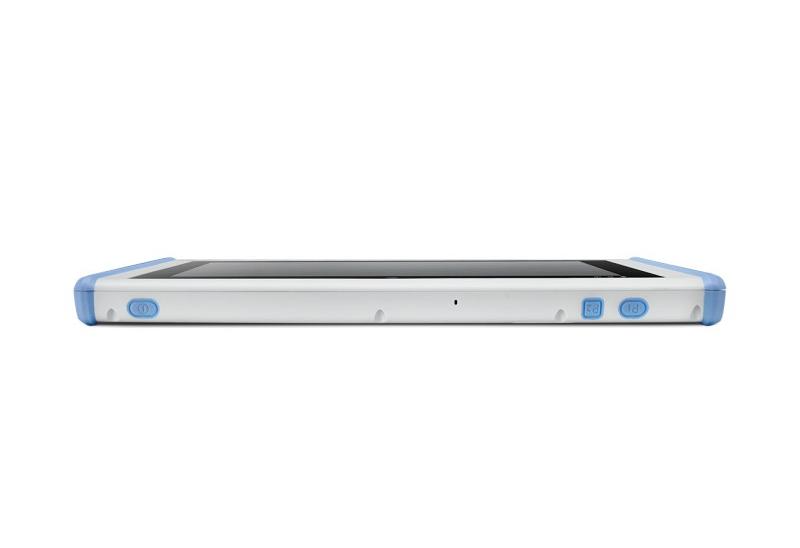
The primary difference between a medical panel PC and a medical-grade tablet PC comes down to mobility and power. A panel PC is a stationary, heavy-duty workstation, while a tablet is a portable, handheld device designed for on-the-go care.

Core Differences:
- Form Factor & Mobility
- Panel PC: Heavy, stationary, and permanently mounted to walls, surgical arms, or large medical carts.
- Tablet PC: Lightweight, handheld, and carried easily by doctors and nurses from room to room.
- Power Source
- Panel PC: Runs on continuous AC mains power, though some feature small backup batteries or hot-swappable cart batteries.
- Tablet PC: Operates primarily on internal, rechargeable batteries to support hours of untethered use.
- Screen Size & Display
- Panel PC: Large displays (typically 15 to 24+ inches) optimized for viewing complex medical imaging and full electronic health records (EHR).
- Tablet PC: Compact displays (typically 8 to 12 inches) optimized for portability and quick data entry.
- Performance & Connectivity
- Panel PC: High-performance desktop processors with extensive physical ports (COM, LAN, USB) to connect directly to legacy medical machinery.
- Tablet PC: Power-efficient mobile processors relying heavily on wireless connectivity (Wi-Fi, Bluetooth, RFID) for scanning patient wristbands.
- Primary Use Case
- Panel PC: Operating rooms, intensive care units (ICU) bedside, and diagnostic imaging centers.
- Tablet PC: Nursing rounds, patient check-ins, barcode medication administration, and emergency room triaging.
As a professional all in one PC OEM/ODM manufacturer, we create highly customized mediacl computers and monitors for healthcare applications. Contact us today to start a new business.