What is a Medical Panel Display?
A medical panel display (or medical-grade monitor/panel PC) is a specialized screen engineered for use in hospitals, clinics, and surgical environments. Unlike standard consumer monitors, these units comply with strict healthcare regulations, electrical safety standards, and hygiene requirements.
Key Features:
- DICOM Compliance: Automatically calibrates grayscale and brightness levels to meet international DICOM (Digital Imaging and Communications in Medicine) standards for accurate X-ray, CT, and MRI readings.
- Antimicrobial & Sealed Housings: Features screwless, flat, chemical-resistant surfaces that withstand frequent disinfection and prevent cross-infection.
- Gloved & Fluid Touch Support: Touchscreens function reliably even when operators wear medical gloves or encounter water and fluids on the screen.
- High Reliability & Long Lifecycles: Built for 24/7 continuous operation with long manufacturing availability (often 5 to 10+ years post-market).
- Electrical Safety: Offers enhanced electrostatic discharge (ESD) protection and low electromagnetic interference (EMI) so they do not disrupt life-critical medical instruments.
Main Application Types:
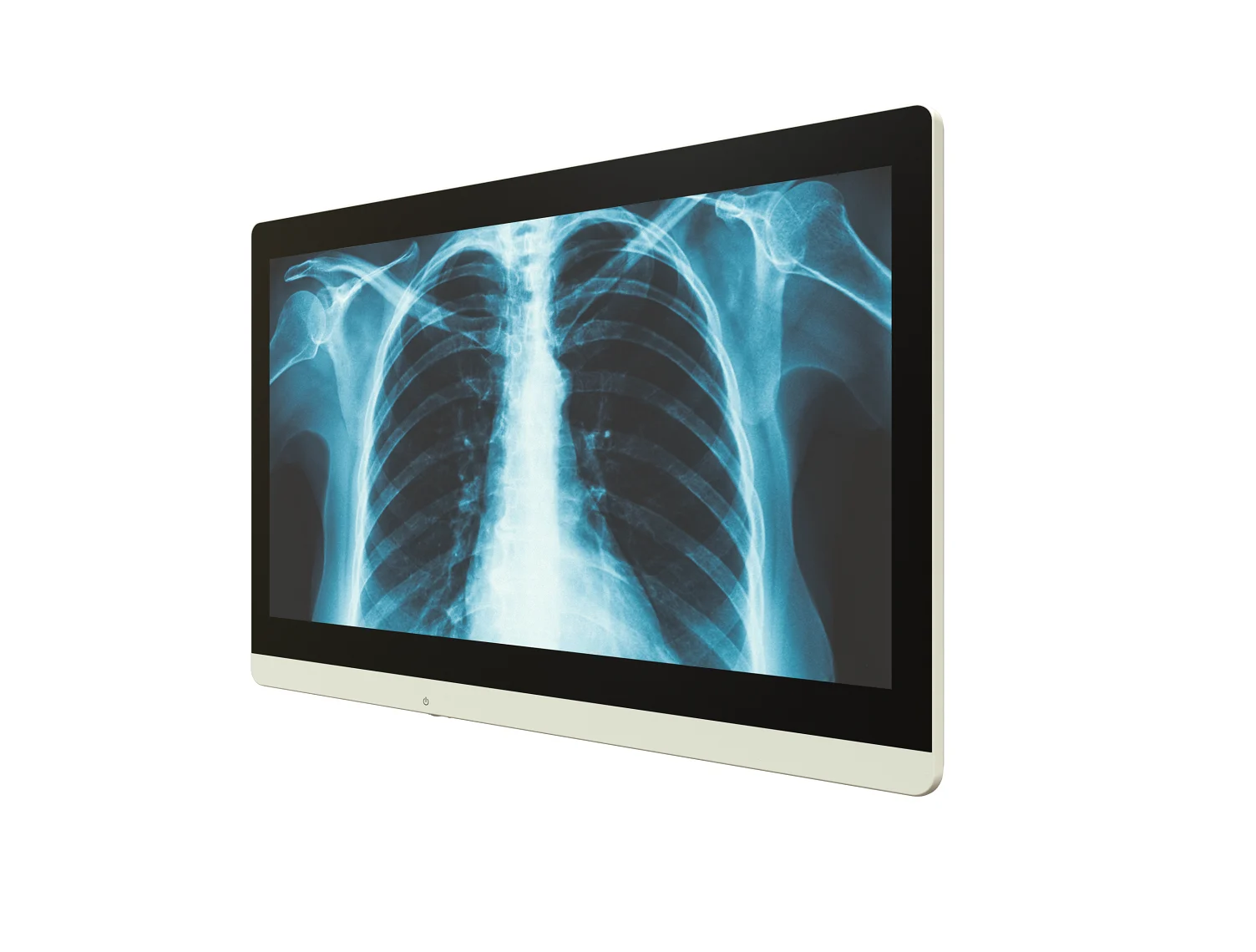
- Diagnostic Imaging: High-resolution grayscale and color screens for radiology and mammography review.
- Surgical & Endoscopic Displays: High-brightness, wide-viewing-angle monitors with low latency and color-tracking calibration for operating rooms.
- Patient Monitoring & Bedside Terminals: High-contrast displays showing real-time vital signs (ECG, blood pressure, SpO2) legible from across a room.
- Point-of-Care & Nursing Stations: Touch-enabled panel PCs used for electronic health records (EHR) and workflow management.
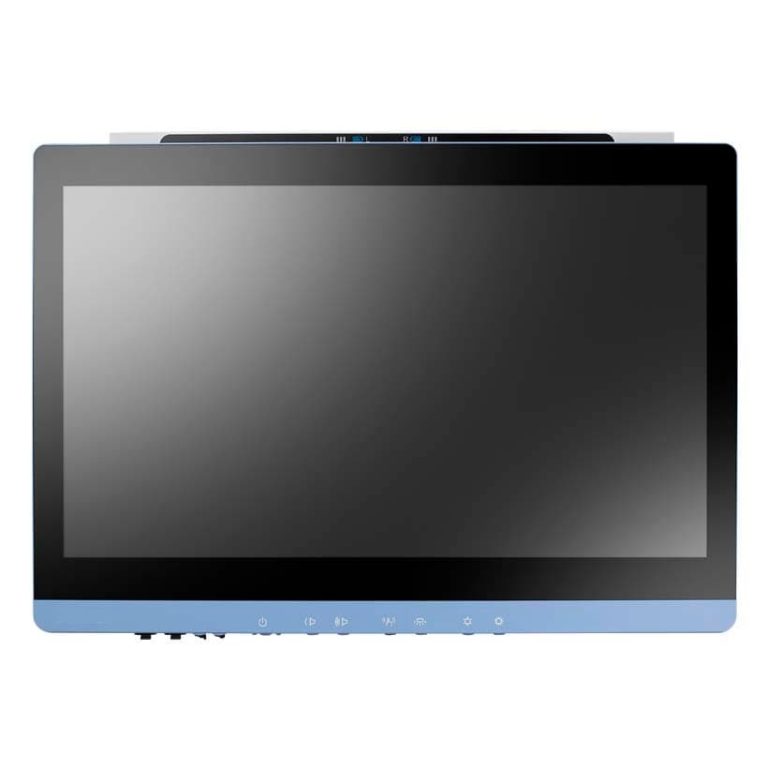
A medical panel display from WenTaida, the device offers full customization options, such as screen size, brightness, waterproof rating, and custom brand logos.