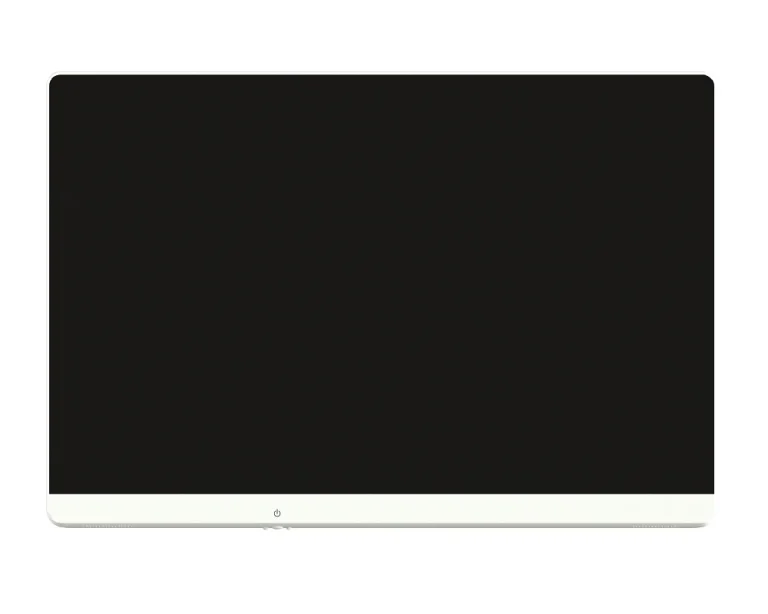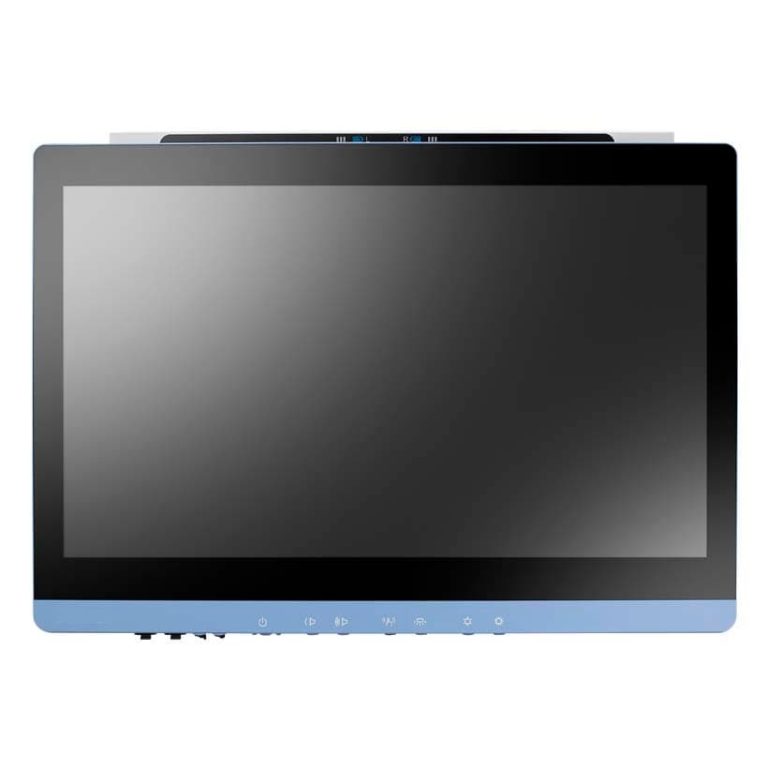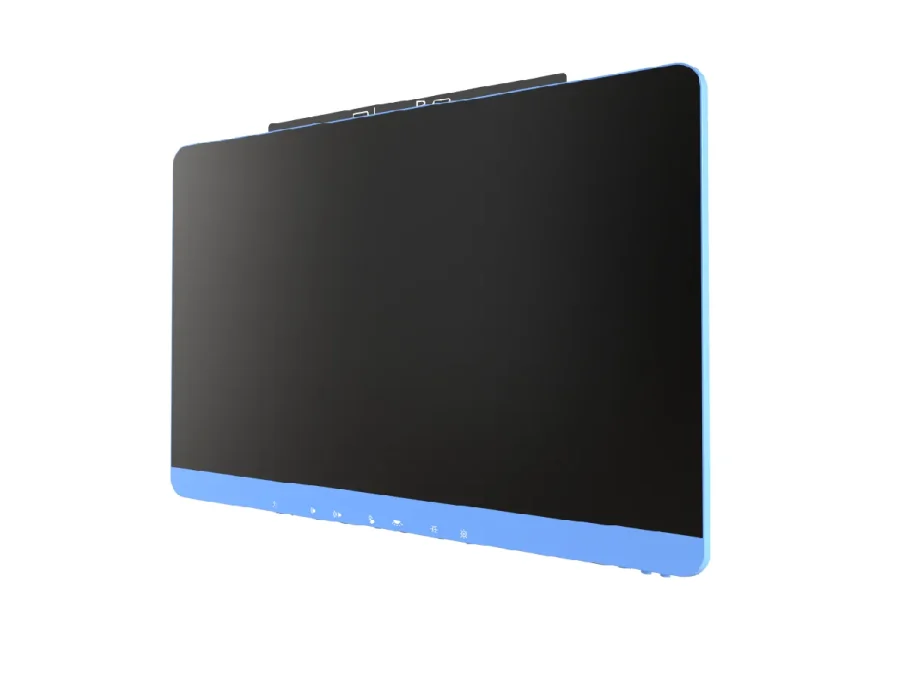
An AIO(all-in-one) medical panel PC is a heavy-duty, touchscreen-integrated computer specifically engineered to serve as a digital control terminal or human-machine interface (HMI) in demanding hospital environments like operating rooms, labs, and cleanrooms.
While a standard “medical PC” is often used for administrative work or charting at a nurse’s station, a panel PC is built like an industrial-grade machine. It is designed to be flush-mounted into walls, surgical booms, or anesthesia machines, with a heavy emphasis on extreme durability, complete sealing, and touch-screen inputs.
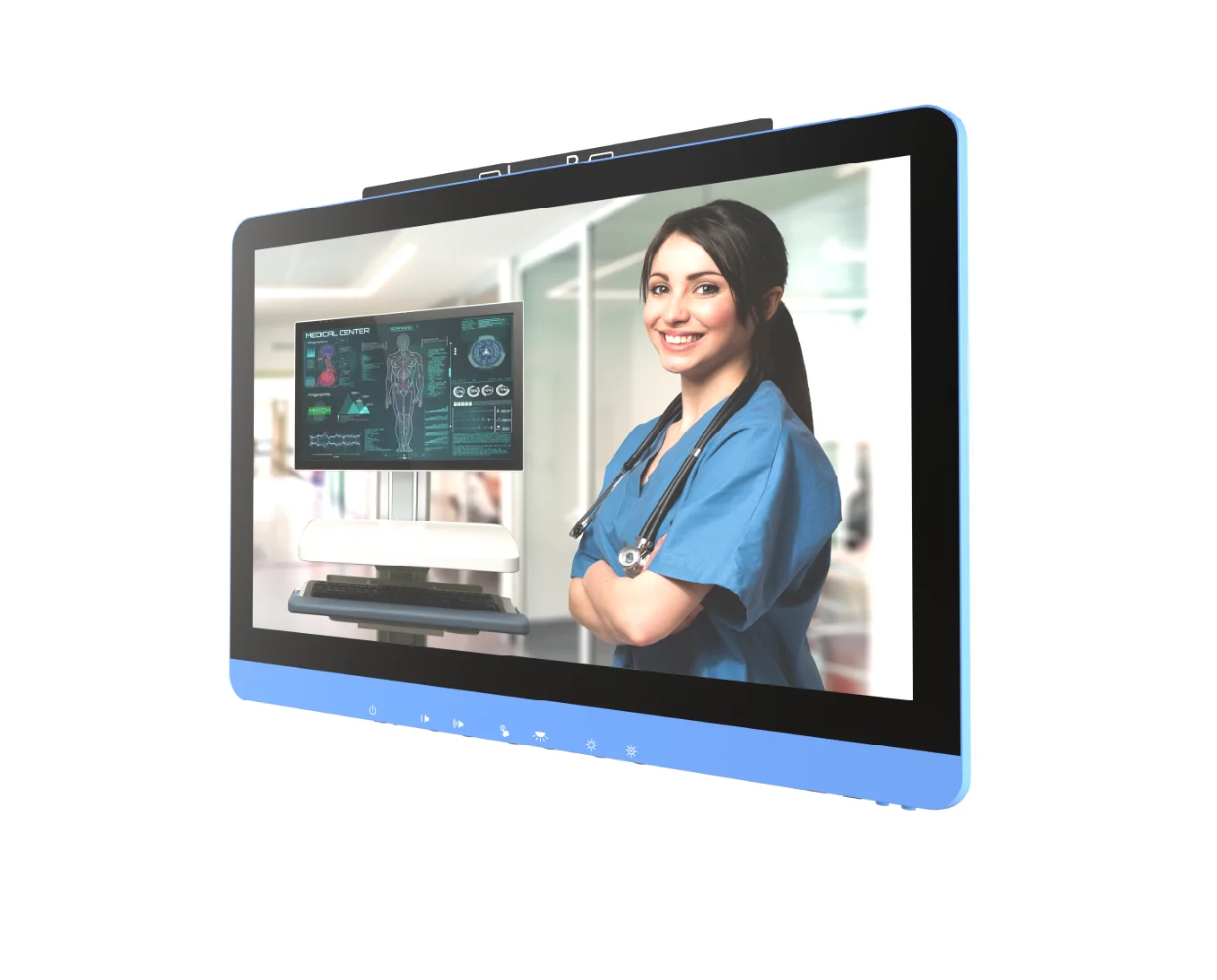
Main Differences and Features of an AIO Medical Panel PC
- Industrial-Grade Mountability: Unlike standard desktop AIOs that sit on a stand, panel PCs are specifically built with front-bezel mounting lips or heavy-duty VESA patterns. This allows them to be seamlessly embedded flush into operating room walls, sterile cabinetry, and heavy equipment arms.
- IP-Rated Waterproofing: Standard medical PCs usually seal only the front display. True medical panel PCs often feature full IP65 or IP69K ratings across the entire enclosure (front, sides, and back). This means they can withstand close-range, high-pressure water jets and harsh chemical washdowns in sterile environments.
- Toughened Touchscreens: They feature chemical-strengthened glass screens (usually 7H hardness) using Projected Capacitive (PCAP) touch technology. These are calibrated to respond accurately even when the operator is wearing multiple layers of surgical latex gloves or if fluids are splashed on the screen.
- Die-Cast Aluminum Enclosures: While standard clinical PCs use antimicrobial plastics, medical panel PCs often utilize fanless, die-cast aluminum or stainless steel housings. This provides maximum durability, superior heat dissipation, and resistance to corrosion from strict sterilization protocols.
- Isolation Protection: They include isolated I/O ports (LAN, COM, USB). This built-in electrical isolation prevents any unexpected power surges or ground loops from traveling through the computer and affecting attached surgical equipment or patients.
Where Are They Used?
- Operating Theater Integration: Mounted onto surgical booms to display endoscopic camera feeds, track vital signs, or control ambient room settings.
- Intensive Care Units (ICU): Embedded into central monitoring consoles to manage continuous patient telemetry and data streams.
- Laboratory & Isolation Rooms: Used as control panels for specialized blood-work analyzers, cleanroom ventilation controllers, or automated drug dispensing units where everything must remain completely sterile.
- Anesthesia Workstations: Integrated directly into gas delivery machines to monitor patient ventilation and drug metrics simultaneously.
WenTaida is a leading computing solutions company based in Shenzhen, China, focusing on OEM/ODM medical tablet PCs, medical panel PCs and medical monitors. Feel free to contact us if you want to customize a new-design medical PC or medical monitor.