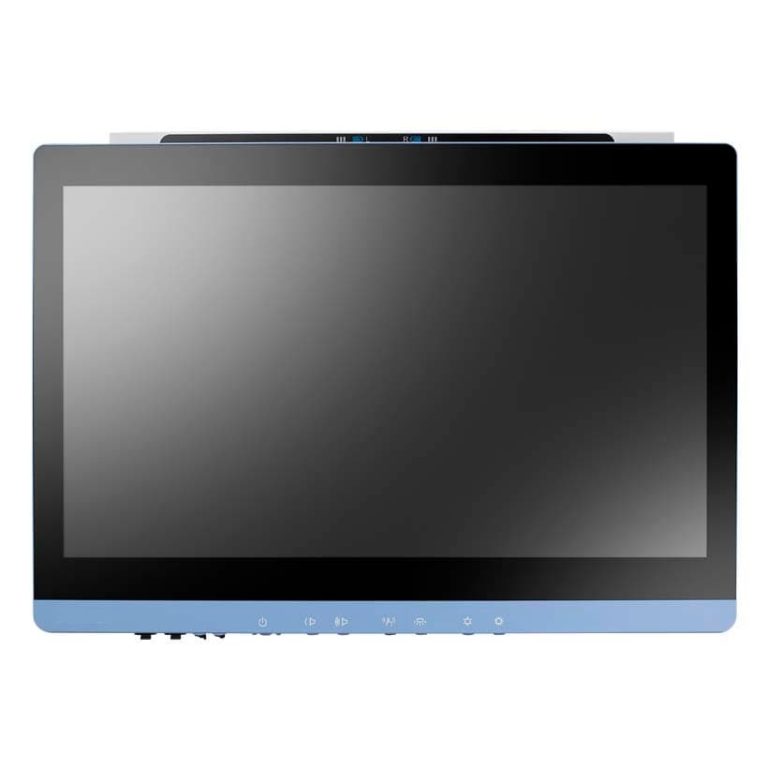
Industrial all-in-one panel computers represent the convergence of robust hardware and intelligent software, serving as the critical backbone of modern smart medical ecosystems. By delivering unmatched stability, high integration, and advanced interactive capabilities, these terminals streamline clinical workflows—from precision diagnosis to patient management—ensuring superior accuracy and operational efficiency in healthcare facilities.
Main Application Areas & Value Propositions
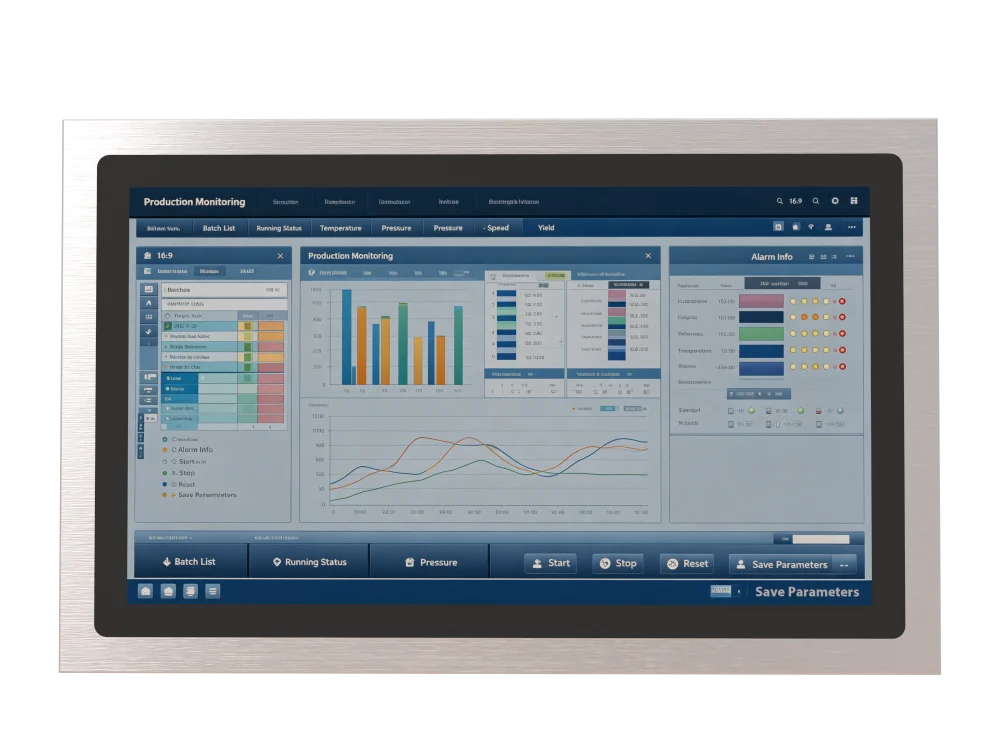
1. Advanced Medical Imaging Hubs
Acting as the central processing unit for CT, MRI, and X-ray systems, these computers handle massive data streams to produce crystal-clear diagnostic visuals.
- Superior Processing Power: Powered by industrial-grade Intel Core i5/i7 or high-performance ARM chips, they enable real-time 3D reconstruction and high-definition image rendering.
- AI-Driven Clarity: Integrated AI algorithms enhance image contrast and suppress noise, aiding clinicians in detecting minute anomalies like early-stage nodules.
- Seamless Interoperability: Full DICOM standard support ensures standardized storage and effortless remote sharing for multidisciplinary consultations.
2. Critical Care & Vital Signs Monitoring
These panels provide a reliable interface for real-time patient surveillance, displaying critical metrics (heart rate, SpO2, blood pressure) and triggering instant alerts for abnormal conditions.
- Universal Connectivity: Equipped with RS232, RS485, and Ethernet ports, they unify data from diverse monitoring devices into a single dashboard.
- Predictive Analytics: Built-in analytical models visualize vital sign trends, helping medical staff anticipate risks such as post-operative infections.
- Hospital System Integration: Smooth compatibility with HIS and EMR systems automates data synchronization, significantly reducing manual entry errors.
3. Precision Surgical Robotics
As the command center for surgical robots, the all-in-one computer translates surgeon inputs into precise robotic actions with uncompromising safety.
- Ultra-Low Latency: Leveraging Gigabit Ethernet and 5G connectivity, command transmission latency stays under 10ms, guaranteeing real-time responsiveness.
- Haptic Feedback Integration: Real-time force sensor data prevents tissue damage by providing instant feedback on robotic arm contact pressure.
- Flexible Interaction: Supports touch, voice, and gesture controls, allowing surgeons to maintain focus and sterility during complex procedures.
4. Intelligent Rehabilitation Systems
These computers drive smart rehab equipment by dynamically adjusting parameters based on patient progress and recording detailed training metrics.
- Customized AI Therapy: Algorithms analyze gait and muscle strength to generate personalized rehabilitation plans.
- Immersive VR Experience: Integration with Virtual Reality simulates real-life scenarios (e.g., stair climbing) to boost patient motivation and engagement.
- Long-term Data Tracking: Comprehensive logging of training sessions enables physicians to evaluate and adjust treatment outcomes effectively.
Conclusion
Industrial all-in-one computers are no longer just peripherals; they are the intelligent heart of smart medical equipment. By harmonizing high-performance computing with AI and 5G technologies, they are propelling the healthcare industry toward a future defined by precision, personalization, and intelligence.